Keep supplier advance payments visible in your Cyprus bookkeeping file
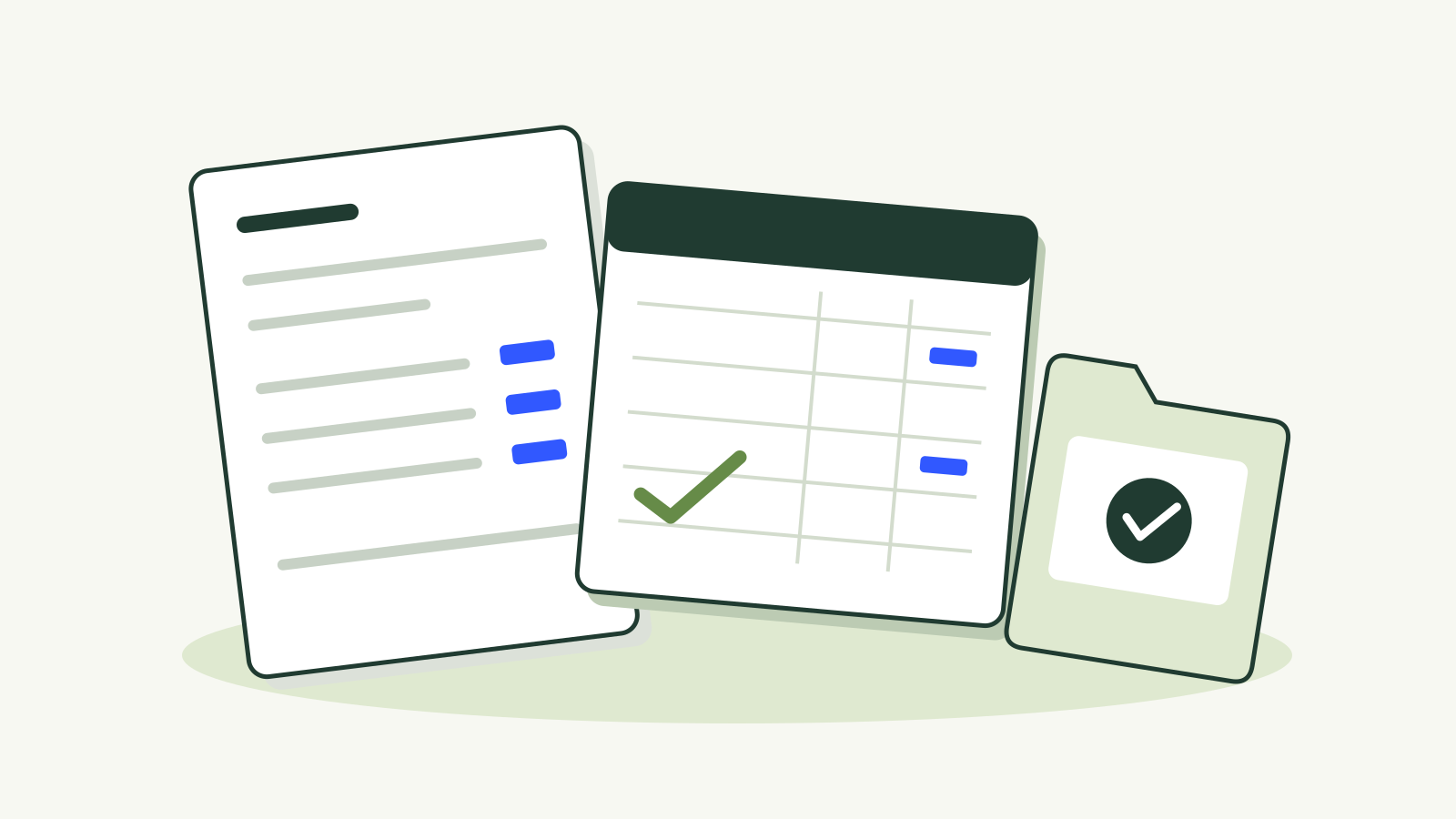
Keep supplier advances connected to accepted orders, changed instructions, delivery evidence, final bills and refunds.
Accountly editorial · Published · Sources checked 2026-10-26
Connect the payment to the accepted order
When a business pays a supplier before receiving the full order, retain the accepted proposal and payment evidence together. Explain what the supplier agreed to provide and which stage the payment concerns. Ask the accountant what supporting documents are needed. A bank transfer labelled deposit does not explain the whole transaction or determine its accounting treatment. The business's first task is to preserve the actual purchase and payment sequence.
Consider a Cyprus retailer ordering a custom display unit for its shop. The supplier requests an advance, later changes the delivery date and eventually sends a bill with a different total after an agreed alteration. The accountant needs the original order, payment reference and later change. A single final invoice may not explain why the earlier transfer differs from the amount shown as outstanding or which documents have been replaced.
Give the order a stable reference
Record the supplier's order reference and the business's own project or purchase reference. Use them consistently when supplying later documents. If the supplier has several orders open, state which one each payment concerns. Keep the named customer and business entity visible. A payment from one company's account should not be silently filed as another company's purchase merely because the same owner manages both businesses.
Where a supplier requests payment before issuing the document the accountant expects, flag the gap. Ask the responsible professional which information to obtain and ask the supplier for the appropriate paperwork. Do not create a document that appears to come from the supplier. A short factual note about what was requested and paid is useful supporting context, but it does not replace every source record required for the actual assignment.
Record changed instructions as changes
Retain the supplier's revised quote or confirmation when the business changes the order. Show who accepted the change and what happened to the original scope. Avoid overwriting the first proposal so completely that the earlier payment becomes difficult to explain. If a later document replaces an earlier one, identify the relationship while preserving the original evidence through the business's agreed records process.
For the display-unit example, the owner may add lighting after paying the advance. The final bill could include the additional work and recognise the earlier amount. Give the accountant those actual documents rather than a home-made total. If the final bill does not appear to reflect the payment, note the question and ask the supplier to explain it. The professional should assess the record using the corrected or clarified evidence.
Track delivery separately from payment
Record what the business actually received and when. A payment leaving the bank does not show that the goods arrived or the work was completed. Keep the delivery note or other relevant handover evidence where it exists. If only part of the order arrives, describe the facts and the remaining items. Ask the accountant which details matter for the accepted review rather than deciding that the entire purchase belongs to the first delivery.
If the order involves equipment installation or work at a property, retain the accepted scope and completion information from the actual provider. A relevant enquiry service such as Renovate may help the business organise a property-work brief, while the supplier must confirm its own terms. Keep physical completion questions with the appropriate technical professional. The accountant should receive a clear purchase history without being expected to certify the installed work.
Make refunds and cancellations traceable
If the supplier returns money or cancels part of the order, link the later document and payment to the original advance. Keep correspondence explaining the agreed change. A returned amount may arrive through a different route or at a different time from the cancellation notice. Supply both events so the accounting team can follow the actual sequence. Do not delete the original purchase history merely because the transaction later changes direction.
Where the supplier retains an amount and the parties disagree about entitlement, mark the dispute clearly. Legally is relevant for exploring professional assistance with the accepted terms and communications. Confirm the actual advocate engagement before relying on advice. The accounting team can identify an unresolved record without being expected to settle the supplier dispute through a bookkeeping description or a balancing adjustment.
Review outstanding advances at an agreed interval
Keep a business-side list showing the supplier, order reference, amount paid, documents available, operational status and next question. Ask the accountant how the list should support the main records. Avoid maintaining a separate unofficial ledger that drifts away from the professional's information. Use the register to point to evidence and explain events, then resolve differences through the agreed review rather than editing totals independently.
Discuss the current Sumly workspace with Accountly when choosing the document flow. Confirm how the team wants orders, payments and later changes identified in the actual setup. The technology can be useful when the business consistently supplies the right references. This guide does not promise purchase-order approval, supplier-credit monitoring or an automatic delivery connection. Confirm the current capability and the professional service accepted for the business.
Close each item using the source evidence
Before marking an advance resolved, check whether the file explains the accepted order, payments made, goods or services received and any final supplier adjustment. Retain open questions with a named owner. A colleague should be able to find the evidence without recreating the purchase from a chain of informal messages. If a document is still missing, record that fact instead of describing the matter as settled for convenience.
Bring the list and one representative order to the Accountly service discussion. Ask whether the accepted work includes following outstanding advances and what separate assessment is needed for an incomplete history. Clear source records make the ongoing service easier to manage and provide a better basis for professional review. They also help the owner see which purchases need an operational follow-up, independently of how the accountant assesses the actual entries.
Questions before you start
Does an advance payment prove delivery?
Retain the actual delivery or handover evidence separately and describe any part still outstanding.
What should resolve an outstanding supplier advance?
The file should explain the original order, payments, actual receipt and any adjustment, with unresolved questions kept visible.
Sources and scope
General preparation information. Current prices for new engagements and exact volume limits are on the service pages; older accepted contracts retain their agreed terms. The professional engagement and individual requirements are confirmed separately.
More service preparation resources